 BEEN IN AN ACCIDENT? CLICK HERE!


Chiropractor for Tension Headaches: How to Relieve Neck and Shoulder Pain Naturally
Chiropractor for Tension Headaches: How to Relieve Neck and Shoulder Pain Naturally
Table of Contents
- Introduction
- What Are Tension Headaches?
- How Neck Pain Leads to Headaches
- Why Posture Matters
- Why Chiropractic Care Helps
- Natural Relief at Home
- Practical Daily Habits
- Natural Remedies for Body Pain
- When Pain Becomes Chronic
- Conclusion
Introduction
Tension headaches are one of the most common reasons people search for pain relief, especially when neck stiffness, shoulder tightness, and daily stress start building up. For many people, the discomfort is not just a headache — it feels like pressure wrapping around the head, with pain that begins in the neck and upper back.
A chiropractor for tension headaches can help by addressing the spinal and muscular issues that often contribute to recurring pain. When posture, muscle tension, and neck alignment are improved, many people notice better movement, fewer headaches, and less strain in the shoulders.
What Are Tension Headaches?
Tension headaches usually feel like a steady, dull ache or a tight band across the forehead, temples, or back of the head. They are different from migraines because they are often less intense, but they can become frequent and disruptive when the root cause is ignored.
These headaches are commonly linked to stress, muscle tension, and poor posture. If the muscles in the neck, shoulders, or upper back stay tight for too long, that tension can travel upward and trigger head pain.
How Neck Pain Leads to Headaches
A common question is: Does neck tension cause headaches? The answer is yes, because tight muscles in the neck can create pressure and reduce comfort throughout the head area. When the upper spine and surrounding muscles stay strained, the pain often spreads upward.
People also ask, "Does neck pain cause headaches?" It can, especially when poor posture, long screen time, or limited movement keep the neck under constant strain. This is why many people experience tension headaches from poor posture after sitting for long hours.
The neck supports the head all day, so even small imbalances can create repeated discomfort. Over time, this may lead to chronic tension headache relief becoming harder to achieve without correcting the underlying cause.
Why Posture Matters
Poor posture is one of the biggest reasons people develop neck and shoulder pain. Slouching forward while using a phone or computer shifts pressure onto the neck muscles, which can cause stiffness and pain to build slowly throughout the day.
If you are trying to figure out how to fix poor posture neck pain, the first step is to reduce the habits that keep the neck bent forward for too long. Improving workstation setup, taking movement breaks, and keeping the shoulders relaxed can make a major difference.
This is also where upper back and neck tension headache relief becomes important. When the upper back is tight, the neck often works harder to support the head, which adds more stress to the same painful pattern.
Why Chiropractic Care Helps
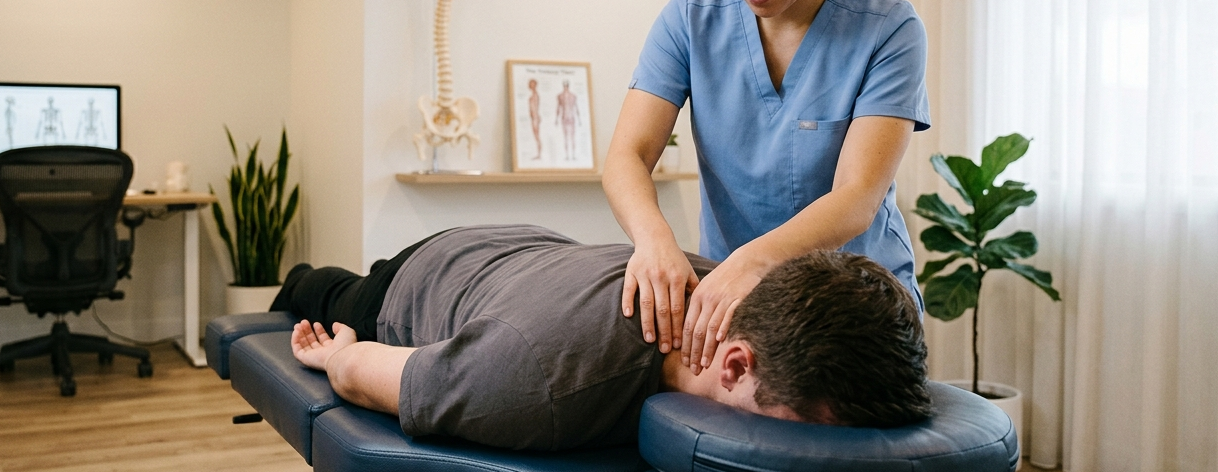
A chiropractor for tension headaches focuses on restoring better alignment and movement in the spine, especially in the neck region. Chiropractic adjustments may reduce pressure on joints and nerves while also easing tight muscles that contribute to pain.
This approach is often considered the best treatment for chronic neck pain because it targets the source instead of only dulling symptoms. In many cases, people also notice improved posture, better mobility, and fewer flare-ups over time.
Chiropractic care can also support neck tension headache relief by helping the body move more efficiently. When the spine is balanced and the muscles are less strained, the head and neck often feel more comfortable during daily activities.
Natural Relief at Home
Several natural remedies for tension headaches can be used at home to ease pain and reduce tightness. These simple steps are especially helpful when the headache is mild to moderate or caused by stress and muscle strain.
Warm therapy is one of the easiest options. A warm shower, heating pad, or warm towel can relax tight muscles and improve circulation.
Cold therapy can also be useful, especially when pain feels sharp or inflamed. Applying a cold pack to the neck or forehead may numb discomfort and calm irritation.
A cold or warm rag can also help, depending on the cause of the pain. A warm rag is usually better for stiffness, while a cold rag can be useful for easing swelling or intense pressure.
Practical Daily Habits
If you want to know how to relieve tension headaches naturally, your daily routine matters just as much as treatment. Taking breaks from screens, stretching the neck, and staying hydrated can all help reduce how often tension builds up.
Gentle movement is another key part of relief. Light stretching, walking, and shoulder rolls can prevent muscles from tightening too much during the day.
Stress management also plays a major role. Deep breathing, meditation, and relaxation habits can reduce muscle guarding, which helps lower the chance of recurring pain.
Natural Remedies for Body Pain
Many people who deal with headaches also struggle with body stiffness elsewhere. That is why natural remedies for back pain relief often overlap with headache care, especially when the pain pattern starts in the upper back and shoulders.
Simple options like stretching, posture correction, heat therapy, and staying active can help the entire upper body feel less tense. When the back, shoulders, and neck move better, headaches often become less frequent as well.
This is another reason chiropractic care is useful for people looking for both neck pain and headache support.
When Pain Becomes Chronic
If headaches keep returning, the issue may be more than occasional stress. Chronic tension headache relief usually requires a combination of improved posture, daily movement, stress control, and professional treatment.
Long-lasting neck strain often creates a cycle: pain leads to stiffness, stiffness leads to less movement, and less movement increases the pain again. Breaking that cycle is the main goal of care and supportive home remedies.
For many people, the best results come from combining office care with practical self-care habits.
Conclusion
Tension headaches can feel minor at first, but recurring neck and shoulder pain can quickly affect work, sleep, and daily comfort.
A chiropractor for tension headaches can help by improving posture, easing muscle tension, and supporting better spinal health. Combined with natural remedies, movement, and healthy habits, this approach offers a strong path toward long-term comfort.
Contact us today to schedule your appointment and take the first step toward lasting relief.
FAQs on Headache and Neck Pain Relief
How to relieve tension headaches naturally?
You can relieve them through stretching, hydration, stress management, and therapies like heat or cold application.
Does neck tension cause headaches?
Yes, tight neck muscles can create pressure that spreads to the head.
Does neck pain cause headaches?
Absolutely. Neck pain often triggers headaches due to shared muscle and nerve connections.
Is ice or heat better for a headache?
Heat works best for muscle stiffness, while ice is better for inflammation and sharp pain.
Why does a hot shower help a headache?
A hot shower improves circulation and relaxes muscles, which helps reduce tension-related pain.
Quick Links
Helpful Articles

All Services
Learn More
Keep
In Touch

Meet
Dr. Dustin Scott

Book Your
Appointment



Contact Info
- Address: 1110 Buckeye Ave
Ames, IA 50010
Office Hours
- Monday 8:30 am – 12:30 pm
3:00 pm – 6:00 pm - Tuesday 8:30 am – 12:30 pm
3:00 pm – 6:00 pm - Wednesday 8:30 am – 12:30 pm
3:00 pm – 6:00 pm - Thursday 8:30 am – 12:30 pm
3:00 pm – 6:00 pm - Friday 8:30 am – 12:30 pm
- Saturday Closed
- Sunday Closed
© 2026 The Connect Chiropractic. All Rights Reserved. Accessibility Statement | Privacy Policy | Sitemap
Powered by:
