 BEEN IN AN ACCIDENT? CLICK HERE!


Does Spinal Decompression Work? A Complete Guide to Benefits, Risks, and Results
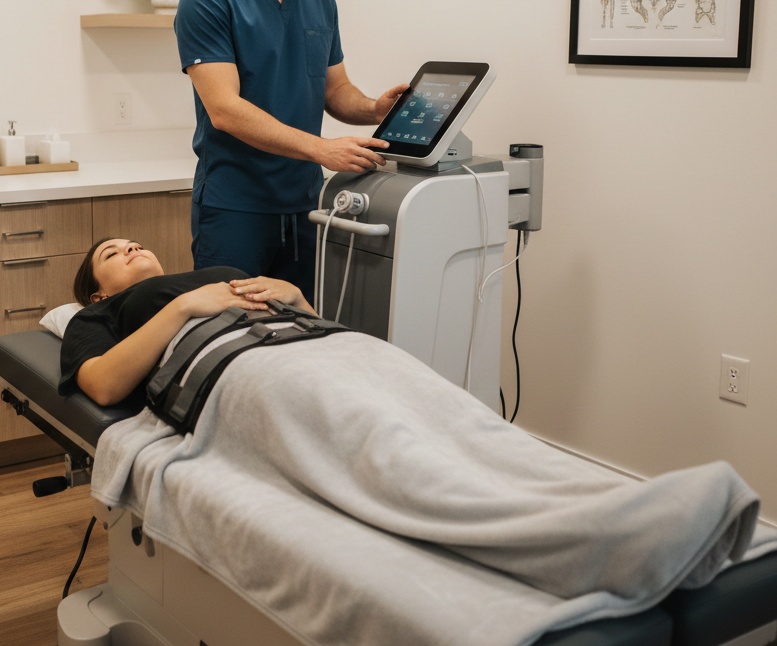
Table of contents:
1. Introduction
2. What Is Spinal Decompression?
3. How Does Spinal Decompression Work?
4. Conditions Spinal Decompression May Help
5. Does Spinal Decompression Work for Herniated Discs?
6. What Happens During a Spinal Decompression Session?
7. Is It Good to Decompress Your Spine?
8. What Is the Success Rate of Spinal Decompression Therapy?
9. What Are the Negative Effects of Spinal Decompression?
10. Do Doctors Recommend Spinal Decompression?
11. Spinal Decompression Surgery vs. Non-Surgical Therapy
13. Does Spinal Decompression Work Long-Term?
14. Frequently Asked Questions
Back pain can interfere with work, sleep, and everyday activities. If you’re researching non-surgical treatments, you’ve likely asked: Does spinal decompression work?
Spinal decompression therapy is often recommended for people with herniated discs, sciatica, or chronic lower back pain. In this guide, we’ll explain how it works, who it helps, potential risks, and whether doctors recommend it.
What Is Spinal Decompression?
Spinal decompression is a therapy designed to relieve pressure on the spine. It gently stretches the spine using a spinal decompression machine or motorized table.
There are two main types:
Non-surgical spinal decompression – Performed in clinics using a decompression table.
Surgical spinal decompression – Procedures such as laminectomy or discectomy to remove pressure from nerves.
Most people searching “does spinal decompression work” are referring to the non-surgical version.
How Does Spinal Decompression Work?
Non-surgical spinal decompression works by gently stretching the spine in controlled cycles. This process:
Reduces pressure inside spinal discs
Promotes movement of bulging or herniated discs
Improves blood flow
Encourages oxygen and nutrient delivery to injured areas
The stretching creates negative pressure within the disc, which may help retract disc material and relieve nerve compression.
So, does spinal decompression work through simple stretching? Not exactly. It’s more precise and targeted than regular stretching exercises.
Conditions Spinal Decompression May Help
Spinal decompression therapy is commonly used for:
Herniated or bulging discs
Degenerative disc disease
Sciatica
Spinal stenosis
Chronic lower back pain
Neck pain
Some providers may combine therapy with spinal decompression exercises to strengthen supporting muscles.
Does Spinal Decompression Work for Herniated Discs?
Many patients report improvement in pain caused by herniated or bulging discs. By relieving pressure on spinal nerves, decompression may reduce symptoms such as:
Leg pain
Numbness
Tingling
Muscle weakness
Clinical research shows mixed but generally positive results. Some studies suggest decompression therapy may be more effective when combined with physical therapy and strengthening exercises.
What Happens During a Spinal Decompression Session?
During treatment:
You lie on a spinal decompression table.
A harness is placed around your hips or upper body.
The machine gently stretches your spine in cycles.
Sessions typically last 20–45 minutes.
Most patients require multiple sessions over several weeks.
The therapy is usually painless, though some mild soreness may occur afterward.
Is It Good to Decompress Your Spine?
For the right candidate, yes. Decompressing the spine can relieve pressure on discs and nerves, improving comfort and mobility.
However, it may not be suitable for everyone. People with severe osteoporosis, spinal fractures, or certain surgical implants may not qualify for non-surgical decompression.
Always consult a qualified healthcare provider before starting therapy.
What Is the Success Rate of Spinal Decompression Therapy?
Success rates vary depending on the condition being treated.
Some clinics report improvement rates between 70–90% for carefully selected patients. However, outcomes depend on:
The severity of the disc problem
Duration of symptoms
Overall health
Compliance with exercises
When asking does spinal decompression work, the honest answer is that it works well for some patients but not all.
What Are the Negative Effects of Spinal Decompression?
Spinal decompression is generally considered safe when performed correctly. However, possible side effects include:
Mild muscle soreness
Temporary increase in pain
Muscle spasms
Serious complications are rare in non-surgical therapy, but are possible with surgical spinal decompression procedures.
If pain worsens significantly, treatment should be stopped and reassessed.
Do Doctors Recommend Spinal Decompression?
Some doctors and chiropractors recommend spinal decompression therapy, especially for patients seeking non-surgical options.
Others may prefer traditional physical therapy first. Surgical decompression is typically recommended only when conservative treatments fail.
If you’re searching for a “chiropractor in Ames, Iowa” or looking for “spinal decompression near me,” make sure the provider performs a full evaluation before starting treatment.
Spinal Decompression Surgery vs. Non-Surgical Therapy
It’s important not to confuse non-surgical therapy with spinal decompression surgery.
Non-Surgical Decompression:
Uses a motorized table
No incisions
Minimal downtime
Lower risk
Surgical Decompression:
Involves removing bone or disc material
Requires anesthesia
Includes recovery time
Used for severe cases
Most people first try conservative treatments before considering surgery.
Who Is a Good Candidate?
You may be a good candidate if you have:
Chronic lower back pain
Sciatica from a disc issue
Disc bulges confirmed by imaging
Pain lasting more than a few weeks
You may not qualify if you have:
Spinal instability
Fractures
Severe osteoporosis
Pregnancy (in some cases)
A consultation helps determine suitability.
Does Spinal Decompression Work Long-Term?
Long-term success depends on lifestyle changes. Therapy alone is rarely enough.
For lasting results, patients should:
Maintain good posture
Strengthen core muscles
Stay active
Avoid heavy strain
Follow recommended spinal decompression exercises
Without supportive habits, pain may return.
Frequently Asked Questions
1. Is it good to decompress your spine?
Yes, spinal decompression can relieve pressure on discs and nerves, helping reduce pain and improve mobility when appropriate for your condition.
2. What is the success rate of spinal decompression therapy?
Success rates vary but may range between 70–90% in properly selected patients. Results depend on the severity and cause of the condition.
3. What are the negative effects of spinal decompression?
Most side effects are mild and temporary, including soreness or slight discomfort. Serious complications are rare in non-surgical therapy.
4. Do doctors recommend spinal decompression?
Some healthcare providers recommend it as a non-surgical option for disc-related back pain, especially when combined with exercise and rehabilitation.
Quick Links
Helpful Articles
All Services
Learn More
Keep
In Touch

Meet
Dr. Dustin Scott
Book Your
Appointment



Contact Info
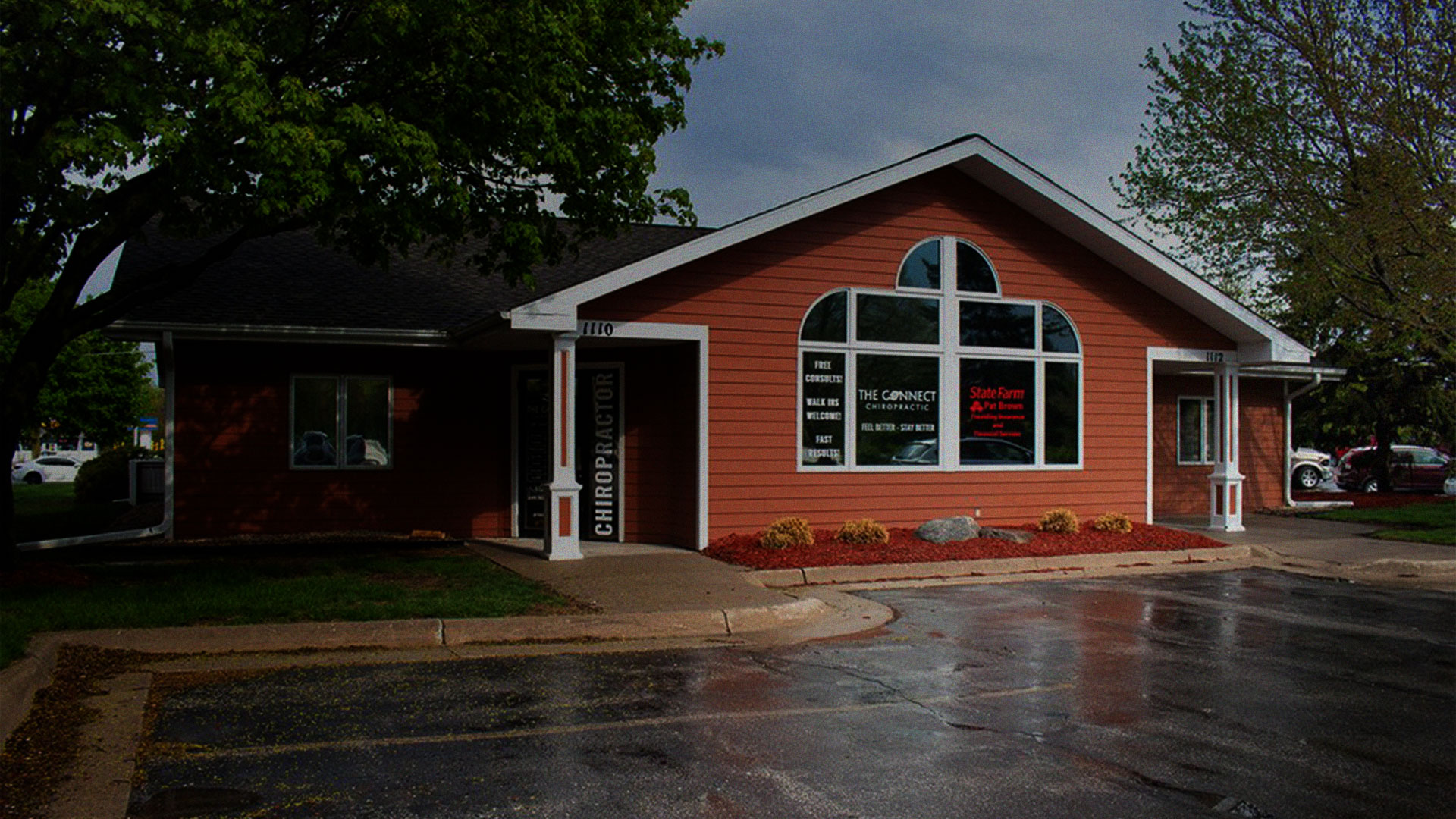
- Address: 1110 Buckeye Ave
Ames, IA 50010
Office Hours
- Monday 8:30 am – 12:30 pm
3:00 pm – 6:00 pm - Tuesday 8:30 am – 12:30 pm
3:00 pm – 6:00 pm - Wednesday 8:30 am – 12:30 pm
3:00 pm – 6:00 pm - Thursday 8:30 am – 12:30 pm
3:00 pm – 6:00 pm - Friday 8:30 am – 12:30 pm
- Saturday Closed
- Sunday Closed
© 2026 The Connect Chiropractic. All Rights Reserved. Accessibility Statement | Privacy Policy | Sitemap
Powered by:
